When is paintless dent repair the right choice, and when does a panel need full replacement? Our experts break it down.
Discovering a new dent or severe damage on your vehicle can be incredibly frustrating. Whether it resulted from a rogue shopping cart, a sudden hailstorm, or a minor collision on the highway, your immediate thought likely revolves around how to fix it and how much it will cost.
Vehicle owners usually face two main options for fixing body damage: paintless dent repair (PDR) and full body panel replacement. Understanding the differences between these methods can save you a significant amount of time and money. While one method offers a quick, cost-effective fix for minor blemishes, the other provides a comprehensive solution for severe structural damage.
This guide will explain exactly how both processes work, the specific scenarios where each method shines, and what you can expect regarding costs and timeframes. By the end of this article, you will have the knowledge you need to make an informed decision and get your vehicle looking brand new again.
Understanding Paintless Dent Repair (PDR)
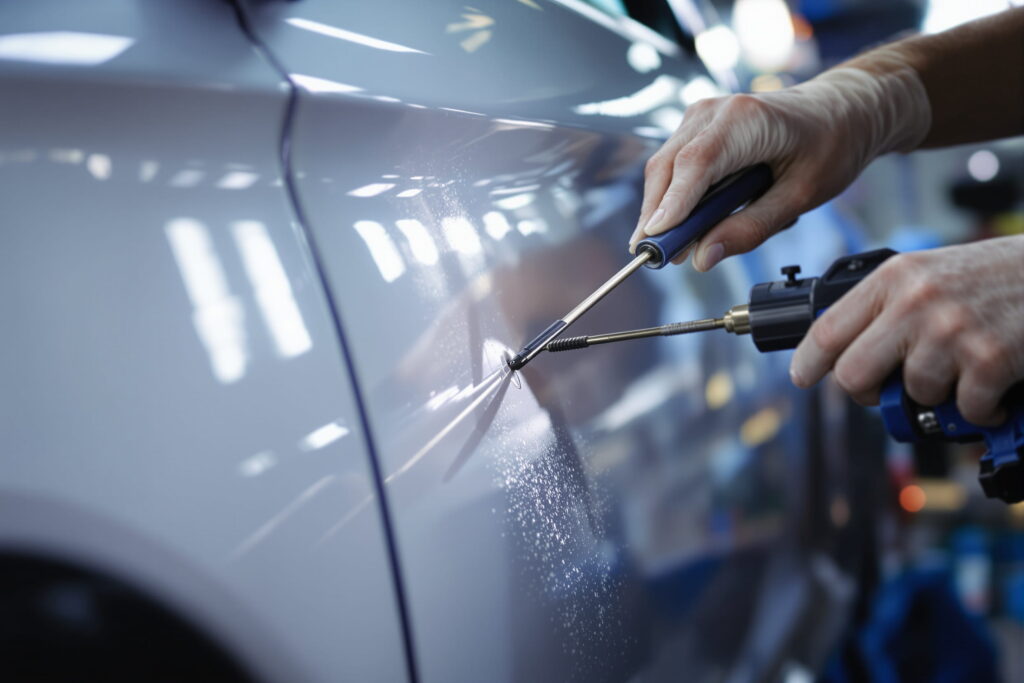
Paintless dent repair is a highly specialized technique used to restore a vehicle’s body to its factory-like condition without interfering with the original paint job. Technicians use customized tools to gently massage and push the damaged metal back into its original shape from behind the panel.
Because this method does not require sanding, body filler, or repainting, it is heavily favored for minor damages. The original factory paint remains completely intact, which helps maintain the resale value of the vehicle.
PDR is highly effective for specific types of damage. Hail damage is a classic example, as hailstones typically leave multiple small, shallow dents without scratching the paint. Similarly, minor door dings from tight parking lots or small creases on the hood are perfect candidates for this approach. As long as the paint is not compromised and the metal is not stretched too far, skilled technicians can make the damage disappear entirely.
When to Choose Body Panel Replacement
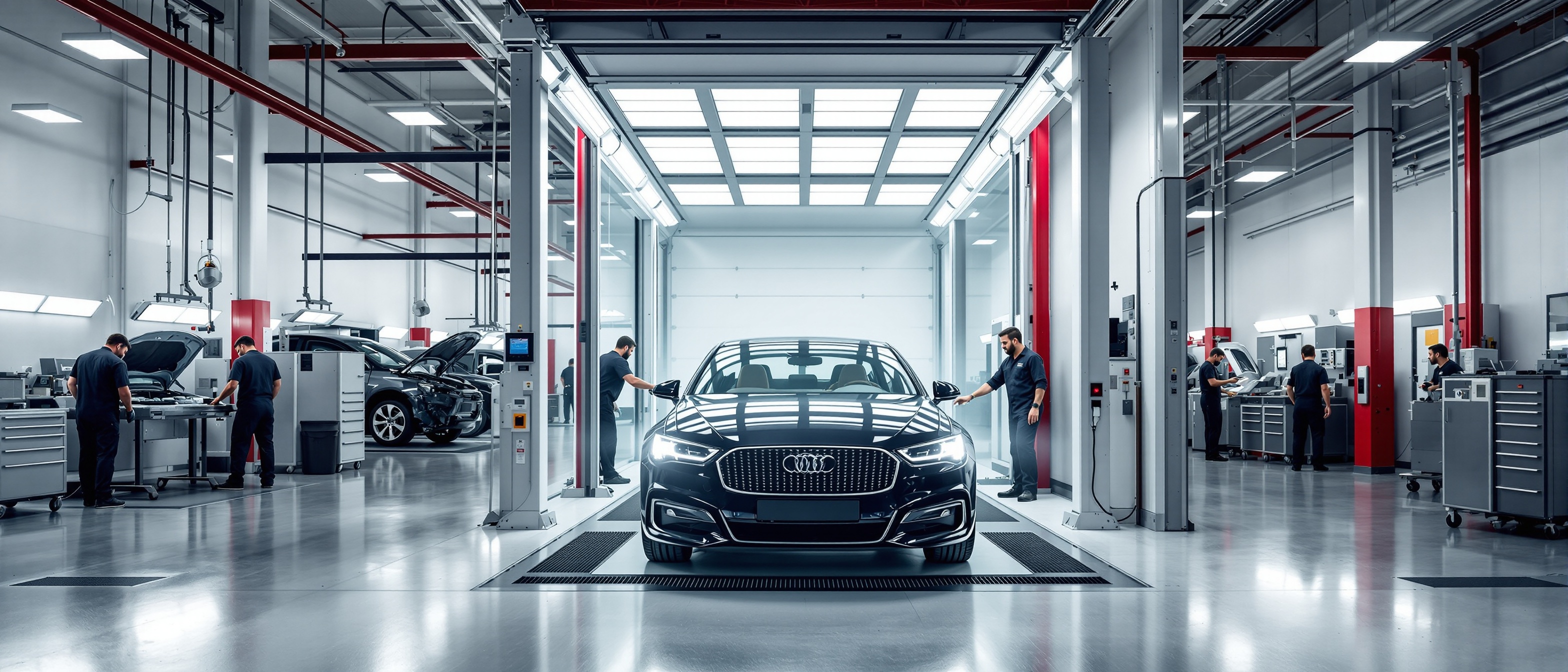
While PDR works wonders for minor imperfections, it has clear limitations. Some damage is simply too extensive to massage out, requiring a full body panel replacement. This process involves entirely removing the damaged section of the car—such as a fender, door, or bumper—and installing a brand-new factory-grade replacement part.
You will likely need a panel replacement if the collision resulted in torn metal, deep creases, or severely stretched structural areas. When the metal is compromised to this degree, pushing it back into place will leave it weakened and visibly uneven.
Additionally, if the paint is heavily cracked, chipped, or peeling inside the dent, PDR is no longer a viable standalone option. The panel will require traditional bodywork, sanding, and repainting at a minimum. In cases of severe collisions where the structural integrity of the panel is destroyed, replacing the part is the only way to ensure the vehicle remains safe to drive. Replacing the panel guarantees that the structural strength of the vehicle is fully restored to manufacturer safety standards.
Comparing Costs and Timeframes
One of the most significant factors vehicle owners consider when dealing with auto body repair is the impact on their wallet and their schedule. There is a stark difference between paintless dent repair and panel replacement across both metrics.
Paintless dent repair is generally the most cost-effective option. Because it requires fewer materials—no paint, primer, or clear coat—and fewer labor hours, the total bill stays relatively low. Depending on the size and location of the dent, PDR can cost anywhere from under a hundred dollars to a few hundred. Furthermore, the turnaround time is incredibly fast. Many PDR jobs can be completed in a single afternoon, allowing you to drive your car home the very same day.
Panel replacement requires a much larger investment of both money and time. You have to pay for the new panel itself, the labor to remove the old panel and install the new one, and the extensive painting process required to blend the new panel seamlessly with the rest of the car. Costs can quickly climb into the thousands. Because parts need to be ordered, prepped, painted, and allowed to cure, you should expect your vehicle to be in the shop for several days to a few weeks.
Which Option is Right for Your Vehicle?
Choosing between paintless dent repair and panel replacement ultimately comes down to the severity, location, and nature of the damage.
If you are dealing with a shallow dent, the paint is completely intact, and the metal has not been sharply creased or torn, PDR is almost certainly the best route. It will save you money, get you back on the road faster, and preserve your original paint finish.
If your vehicle suffered a heavy impact, the metal is mangled, or the paint is heavily damaged, panel replacement becomes necessary. While it requires a larger investment of time and resources, it guarantees that your vehicle remains safe, structurally sound, and visually flawless.
When you are unsure, the best course of action is to have a professional inspect the vehicle. Experienced auto body technicians can assess the stretch of the metal and the condition of the paint to recommend the safest and most economical repair path.
Frequently Asked Questions
Will my insurance cover paintless dent repair?
Yes, most comprehensive insurance policies cover paintless dent repair, especially if the damage was caused by a natural event like a hailstorm. Because PDR is cheaper than traditional repairs, insurance companies often prefer this method.
Can PDR fix dents on plastic bumpers?
PDR is primarily designed for metal panels like steel or aluminum. However, skilled technicians can sometimes reshape plastic bumpers using heat to soften the plastic and push out the dent, though the technique differs slightly from traditional PDR.
Does a replaced panel match the rest of the car’s paint?
Professional auto body shops use computerized color-matching technology to ensure the new panel matches the rest of the vehicle. They will also blend the paint into the adjacent panels so the repair is completely invisible to the naked eye.
Make the Right Call for Your Car
Dealing with car damage is never fun, but understanding your repair options makes the process significantly less stressful. Paintless dent repair offers a fast, affordable way to clear up minor blemishes and hail damage while keeping your factory paint intact. On the other hand, a full panel replacement provides a necessary, comprehensive solution for severe collisions, ensuring your vehicle remains structurally safe and aesthetically perfect.
If your vehicle has recently suffered body damage, do not wait for rust or further paint peeling to set in. Reach out to a certified auto body repair specialist today to get a professional assessment and an accurate estimate. Getting the right repair will protect your investment and keep your car looking its absolute best for years to come.