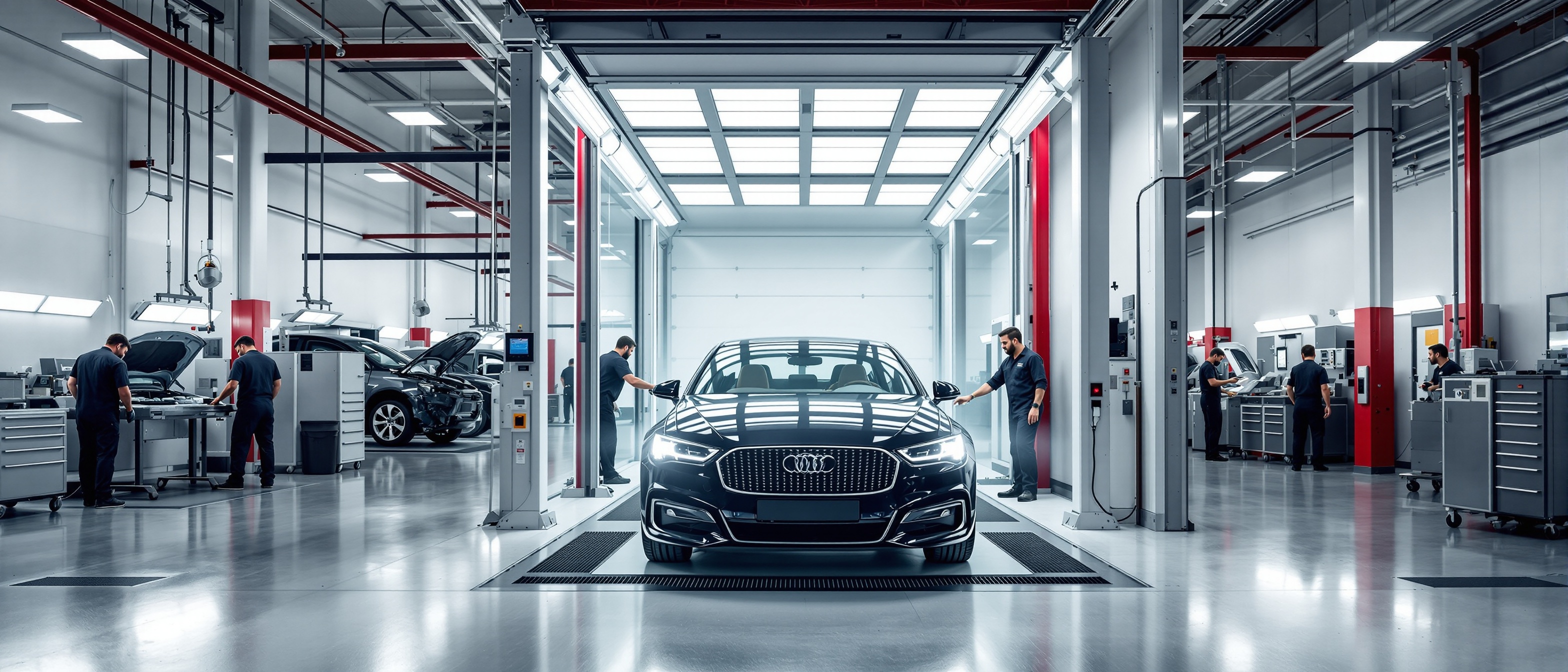

Navigating the insurance claim process can be confusing. Here is what Gainesville drivers need to know about repair claims. Getting into a car accident is stressful enough without the added headache of figuring out how to get your vehicle fixed. Understanding the exact steps involved in auto body repairs can save you time, money, and frustration.
When you know what to expect, you can confidently communicate with insurance adjusters and mechanics alike. This guide walks you through the essential steps to ensure your car gets repaired properly, safely, and efficiently.
Reporting the Accident and Filing a Claim
Safety is always your first priority after an accident. Once everyone is safe and you have contacted local authorities to document the scene, you need to initiate the claims process. Reach out to your insurance provider as soon as possible. Most companies offer a 24/7 hotline or a mobile app to make reporting easy.
When you file the claim, provide clear, factual details about the incident. Avoid speculating about fault or the extent of the vehicle damage. Share the police report number, photos of the damage, and the contact information of any other drivers involved. Your insurance company will assign a claims adjuster to your case, who will serve as your primary point of contact moving forward.
Choosing an Auto Body Repair Shop
Many drivers mistakenly believe they have to use the repair shop their insurance company recommends. While your insurer may provide a list of direct repair facilities they partner with, you have the legal right to choose any auto body repair shop you prefer.
Take the time to research local options. Look for facilities with certified technicians, strong customer reviews, and a solid reputation for quality work. A trustworthy local shop will advocate for you during the repair process, ensuring that the insurance company covers all necessary fixes to restore your vehicle to a safe condition.
The Inspection and Estimation Process
Before repairs begin, the damage must be carefully assessed. Your insurance adjuster will evaluate your vehicle to write an initial estimate. This might involve an in-person inspection, or you might simply submit photos through an app.
Keep in mind that the initial estimate is exactly that—an estimate. Modern vehicles have complex internal components, and auto body shops often discover additional hidden damage once they dismantle the car. When this happens, the repair shop will file a supplement with your insurance company to cover the extra costs. A reputable mechanic will handle this communication for you so the repairs are not delayed.
Understanding Deductibles and Insurance Payments
Financial concerns are a major part of any vehicle repair. Your deductible is the out-of-pocket amount you agreed to pay when you purchased your insurance policy. If you carry a $500 deductible, you are responsible for paying that amount directly to the body shop when the repairs are complete. The insurance company pays the remainder of the bill.
The payment structure varies depending on who caused the accident. If another driver is completely at fault, their liability insurance should cover the entire cost of your repairs without you having to pay a deductible. If you are using your own collision coverage, your deductible applies. Clarify these details with your adjuster early on to avoid surprise expenses.
The Repair Process and Quality Standards
Once the estimate is approved and parts are ordered, the actual repair work begins. The timeline depends heavily on the severity of the damage and parts availability.
During this phase, pay attention to the types of parts being used. Insurance policies often specify the use of aftermarket or salvaged parts to keep costs down. However, you can sometimes request Original Equipment Manufacturer (OEM) parts, though you might have to pay the difference in price. Ask your repair facility about their quality control measures and request a written warranty covering their labor and the parts they install.
Getting Back on the Road in Gainesville
Dealing with vehicle damage is never enjoyable, but being informed makes the journey much smoother. By promptly filing your claim, choosing a dependable repair facility, and understanding your financial responsibilities, you take control of the situation.
Remember to ask questions if any part of the estimate or repair plan seems unclear. Your local repair technicians are excellent resources and can help bridge the gap between you and the insurance provider. Stay proactive, and you will be back to safely driving the streets of Gainesville in no time.